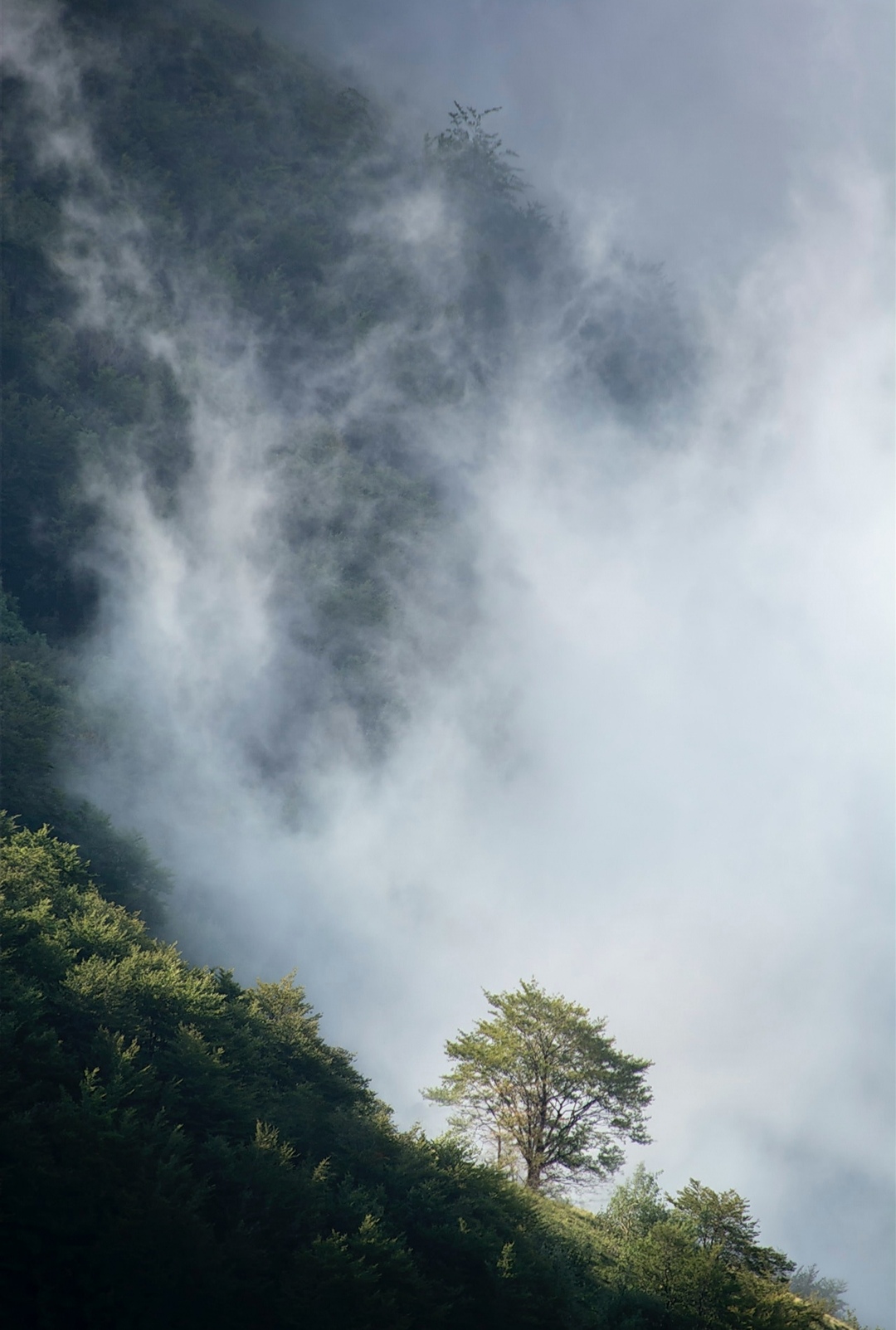
rainforests are home to invaluable natural resources, such as new water, and contain more than one part of the world’s species. An overview of the largest rainforests on earth is coming soon.
The amazon
Covering more than 1.2 billion sections of land, the Amazon rainforest is the largest on the planet. This area is home to 10 percent of the world’s known species and covers part of the terrestrial rainforest.
The Congo rainforest
This African rainforest melts over 1.5 million square miles. Deforestation has transformed the district into one of the most threatened biological systems on the planet. There are five public parks in the Congo rainforest that have been designated as world heritage sites.
Bosawas Biosphere Reserve
The Bosawas Biosphere Reserve in northern Nicaragua spans an area of more than 5 million sections of land, making it one of the largest rainforests in the world. The area was awarded a UNESCO biosphere reserve in 1997.
Daintree Rainforest
Named after geologist and photographer Richard Daintree, this ancient rainforest is located off the coast of Queensland, Australia. At over 165 million years old, it is believed to be the most established rainforest on the planet.
Southeast Asian rainforest
Stretching from India to Malaysia, these forests were once the most biodiverse places in the world before much of the land was cleared for logging and cultivation. Most of the tropical rainforests of Asia are scattered around the islands of Indonesia. Specialists accept that the Malaysian rainforests already existed 100 million years earlier.
Tongass National Forest
A large part of the Tongass National Forest is shrouded in rainforests and the other half is made up of rocks, ice, and water. The largest trees in Alaska are found here, and only about 25 percent of these trees are protected. This area covers 11,000 miles of coastline and is home to approximately 75,000 people on 32 networks.
Kinabalu National Park
Kinabalu was Malaysia’s main public park and was also the country’s first World Heritage site. The 130 million year old rainforest is most likely considered the leading natural place on the planet with a host of types of plants and creatures.
Monteverde Cloud Forest Biological Reserve
Located in the mountains of Costa Rica, this place was assigned as a winery in 1972 to protect the forests from deforestation. The region is made up of streams, rainforests and cloud forests and is said to have the best bird watching on the planet.
Sinharaja Forest Reserve
This public park in Sri Lanka was declared a UNESCO World Heritage Site in 1978. 60% of the trees in the recreation center are endemic to the place and many are considered incredibly rare.
Pacific Valdivian Rainforest
Located on the west coast of South America, this ecoregion stretches from Chile to Argentina. Within the Valdivian temperate rain forest there are four biological systems of wood, including the Andean forests of Patagonia, the forests of northern Patagonia. deciduous forests and shrub forests.

 peace world